Entry · Ref UUUUXGO1
When Your 4/4 Pullout Sand Stuck: A Practical Guide to Recovery in Dubai
- Posted
- 2026-10-20
- Last amended
- 2026-10-20
- Account
- @get44pulloutsandstuckworks
If you have ever taken a vehicle off-road in the UAE, you know the feeling. One moment you are cruising across a stretch of open desert, the next you feel the wheels lose grip and the chassis settle. That sinking sensation is familiar to anyone who drives a four-wheel-drive here. The phrase "4/4 pullout sand stuck carrecoverydubai" captures the exact moment when a capable off-roader meets its match in soft sand. But being stuck is not the end of the story. It is the beginning of a recovery process that requires patience, the right gear, and a clear head.
Why Sand Gets the Better of a 4x4
Sand in Dubai is not the coarse beach sand many visitors expect. It is fine, dry, and almost powdery in places like the Al Qudra or Al Awir desert stretches. A 4x4 relies on traction from its tyres, and sand offers little purchase once the surface layer is disturbed. Many drivers assume that engaging four-wheel drive is enough to keep them moving. In many cases it is, until the driver slows down or stops on a soft patch. That is when the vehicle sinks. The weight of the vehicle presses down, the sand gives way, and the undercarriage rests on the ground. Now you are high-centred.
Four-wheel drive helps you push forward, but it does not give you levitation. If all four wheels are in loose sand with no solid ground beneath them, spinning them only digs deeper holes. This is where the practical side of recovery begins. Knowing how to prevent a stuck situation is useful, but knowing what to do when it happens is essential. That is why the phrase "4/4 pullout sand stuck carrecoverydubai" gets searched by people who have just realised that their capable vehicle is not going anywhere on its own.
First Steps After You Get Stuck
The first thing to do is stop spinning the wheels. I have seen drivers keep the accelerator pinned for a full minute, hoping the tyres will suddenly bite. They do not. All that happens is the vehicle sinks deeper and the sand gets hotter under the spinning rubber. Turn the engine off for a moment. Get out and assess the situation. Look at how deep the vehicle is sitting and whether the chassis is resting on sand. Check the ground around each wheel. If the belly is touching sand, you are high-centred and need to lift the vehicle before you can drive out.
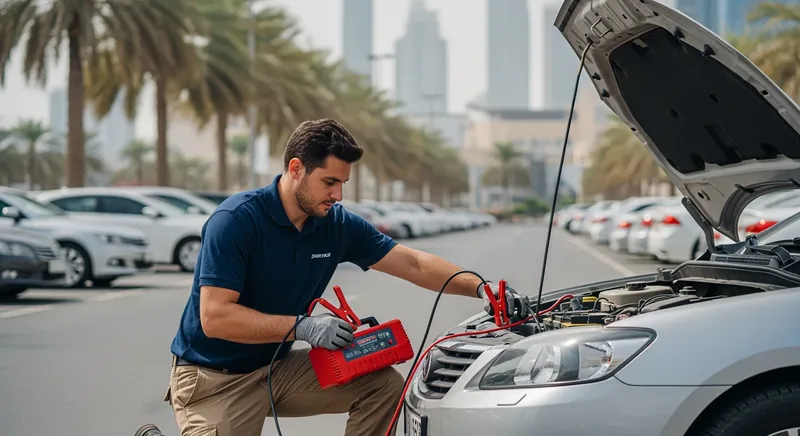
Next, check if you have recovery gear with you. A simple shovel, a recovery board, or even a sturdy piece of carpet can make the difference between a quick self-recovery and a long wait. Many off-roaders in Dubai carry a set of sand ladders or traction mats. If you have them, place them under the drive wheels in the direction you want to go. If you do not have any gear, you need to call for help. Trying to dig yourself out with bare hands in the middle of the day is exhausting and rarely works.
Calling a Professional Recovery Service
There is no shame in calling a recovery service. In fact, it is often the smartest move. Trying to get towed out by a passing vehicle can cause damage if the other driver does not know what they are doing. A proper recovery operator has the right equipment: a winch, rated tow straps, and the experience to pull a stuck vehicle without snapping a line or damaging the chassis. When you search for "4/4 pullout sand stuck carrecoverydubai" you are looking for someone who can reach you in the desert, assess the situation, and get your vehicle out safely.
Car Recovery Dubai operates across the UAE and handles exactly these scenarios. Their teams are used to working in sand, on uneven ground, and in temperatures that can climb past 40 degrees Celsius. They bring a flatbed or a heavy-duty tow truck depending on the vehicle type. For a 4x4 stuck in soft sand, a winch recovery is usually the best approach. The operator anchors the truck on solid ground, extends the cable, and pulls the stuck vehicle back onto compacted sand. It sounds simple, but it requires good communication and a steady hand on the winch control.
What to Avoid During a Sand Recovery
One common mistake is letting a well-meaning friend attach a tow rope to the wrong point on the vehicle. Tow hooks on the front or rear of a passenger vehicle are not designed for a hard yank out of sand. If the rope is attached to a suspension component or a flimsy bracket, it can tear metal. Always use rated recovery points. If you are not sure where they are on your vehicle, check the owner manual before you go off-road. Another mistake is using a chain instead of a dynamic rope. Chains do not stretch, so the shock of the pull goes straight into the vehicle frame. A kinetic recovery rope absorbs the load and reduces the risk of damage.

Speed during the pull matters too. A slow, steady pull is safer than a fast yank. The recovery operator will usually take up the slack gently, then apply power gradually. If the stuck vehicle does not move, the operator repositions and tries again. Rushing the process can snap equipment or cause the recovery vehicle to lose traction as well. Then you have two stuck vehicles instead of one.
Preparing for Your Next Desert Drive
Experience changes how you approach sand driving. After you have been stuck once, you start paying more attention to tyre pressure. Dropping tyre pressure to around 15 to 18 PSI increases the tyre footprint and helps the vehicle float on top of the sand rather than dig in. Many drivers in Dubai carry a small compressor or a CO2 inflator to air back up when they hit the road again. It is a simple step that makes a big difference.
Another thing is route selection. If you are driving in an area you do not know, look for tracks left by other vehicles. Those tracks show where the sand is firm enough to support a vehicle. If you see a patch of sand that looks darker or damp, avoid it. Wet sand can be deceptive; it may look solid but it can be soft underneath. Stick to ridges and high ground where the sand has been compacted by the wind.
Car Recovery Dubai recommends always travelling with at least one other vehicle when going off-road. A second vehicle can help with a quick recovery using a tow strap, or it can go for help if the first vehicle gets stuck in a bad spot. Solo desert driving is risky anywhere, but in the UAE the heat and isolation make it especially dangerous. If you drive alone, let someone know your route and expected return time.

The Reality of Desert Recovery
Recovering a stuck vehicle in the desert is not like a roadside tyre change. It involves heat, dust, and sometimes a long wait. The best recovery is the one you do not need, which is why preparation matters. But when preparation is not enough, a professional service like the one mentioned earlier can get you back on the road without turning a bad day into a dangerous one. The phrase "4/4 pullout sand stuck carrecoverydubai" reflects a real situation that many drivers face, and knowing how to handle it is part of being a responsible off-road driver in the UAE.
If you do find yourself in that situation, stay calm. Keep yourself and your passengers in the shade. Drink water. And wait for the help that knows how to get you out. The desert will always win if you fight it the wrong way. But with the right approach and the right help, you will be driving again before the sun sets.